

Save the penguins
Your Support is important
Sign Our Petition!
Download penguin dossier
The problem
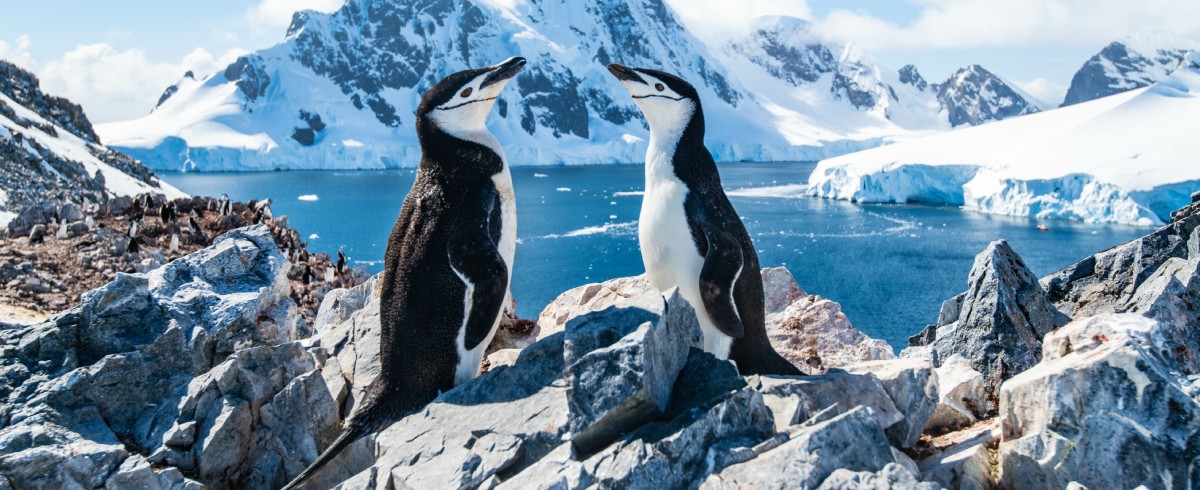
Penguins are charismatic, flightless seabirds that put a smile on our faces as they waddle determinedly about. These endearing creatures touch the hearts of many and epitomise what marine conservation is all about.
Penguins are widespread across the southern hemisphere, primarily inhabiting the Antarctic region and subantarctic islands with few land predators. Their flightless nature limits their foraging range compared to flying birds. They rely on predictable food sources like krill, squid, and small fish within their range, often found in nutrient-rich, cold waters near continental shelves and areas with high ocean productivity driven by upwelling.
Understand the decline to save the penguins
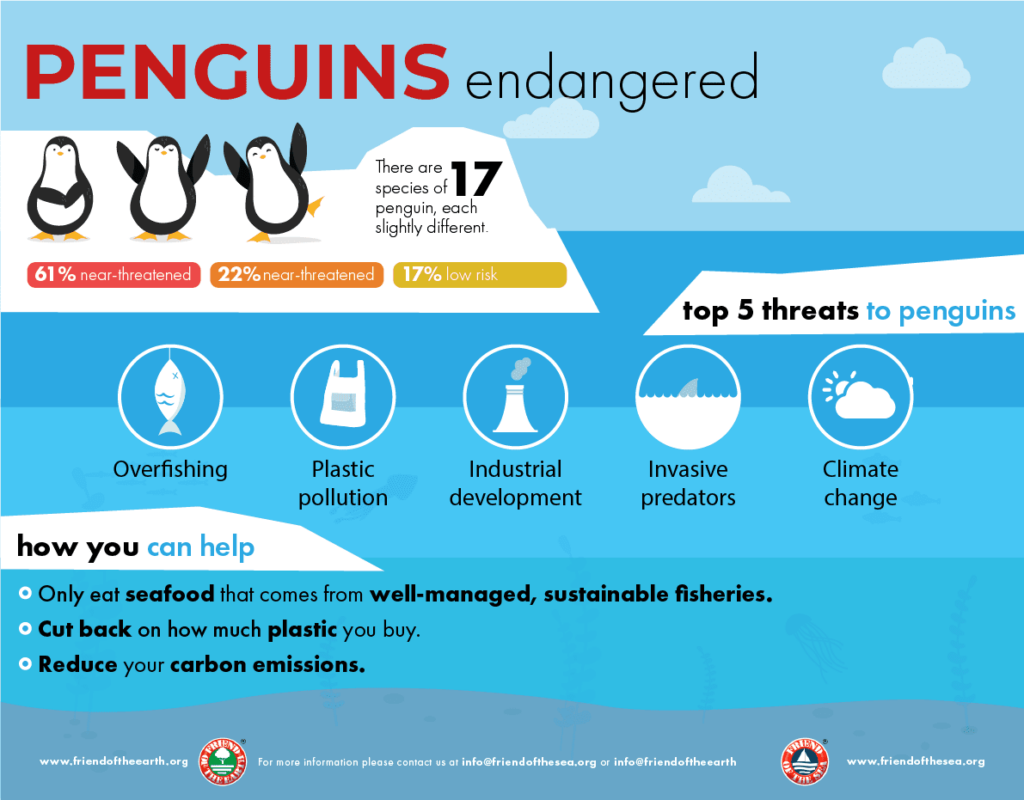
There are several factors driving the decline of penguin populations, including:
- Fishery Interactions: Penguins often get entangled in fishing gear like nets, leading to drowning. Over 400,000 seabirds, including penguins, are estimated to be caught in gillnets annually.
- Overfishing: Competition with humans for fish stocks affects both adult penguins and their chicks, particularly African and Humboldt penguins reliant on sardines and anchovies. Krill, vital for Antarctic penguins, is commercially fished for aquaculture feed and supplements, posing a threat to their survival.
- Degradation of Breeding Habitat: Harvesting guano for fertiliser has exposed nesting sites, impacting breeding success in colonies around southern Africa. Introduced invasive species and predators like rats, ferrets, and cats further threaten penguin colonies.
Understanding and addressing these issues are crucial for penguin conservation efforts.
Enviromental consequences
Over half the world’s penguin species are in grave danger of going extinct unless we take action now. The situation is dire. Penguin numbers have declined at such an alarming rate, they are now the second most threatened seabird group in the world after albatrosses, with 10 of the 18 penguin species in danger of going extinct.
The African penguin and Galápagos penguin are both considered endangered, together with the Northern Rockhoppers, Erect-crested Penguin, Yellow-eyed penguin. There are believed to be less than two thousand Galápagos penguins left in the world. Other penguins are on the verge of becoming endangered, like the Emperor and Adelie penguins, which live in Antarctica.
Possible Solutions to save the penguins
Penguins face unique challenges as they are bound to breeding colonies yet reliant on nearby food sources for survival. To reverse population declines, conservation efforts must prioritise improving breeding success and reducing adult mortality.
To achieve this, several approaches can be taken:
- Fisheries Management: Closing fishing grounds near breeding colonies and establishing Marine Protected Areas can protect fish stocks, reducing competition with fisheries and providing more food for penguins. This can improve breeding success and reduce adult mortality.
- Improving Fishing Practices: Educating and collaborating with the fishing industry to adopt new technologies and best practices can minimise incidental penguin bycatch in fishing nets.
- Enhancing Breeding/Nesting Habitat: Implementing measures to prevent habitat degradation at breeding sites, such as providing artificial nest boxes and burrows, can decrease nest abandonment and boost breeding success.
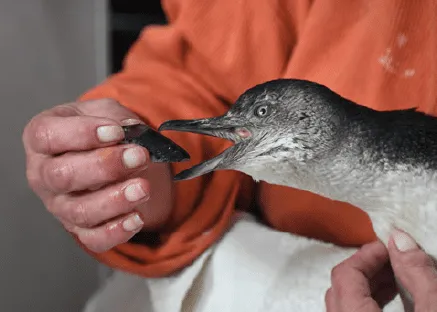
- Hand-rearing Chicks: Conservation organizations rescue orphaned penguin chicks, hand-rearing and releasing them back into the wild. This intervention has been successful in bolstering wild populations, with over 7000 chicks released since 2006.
These interventions not only benefit penguins but also contribute to the conservation of other marine species facing similar challenges.
Activities and Initiatives of the World Sustainability Foundation
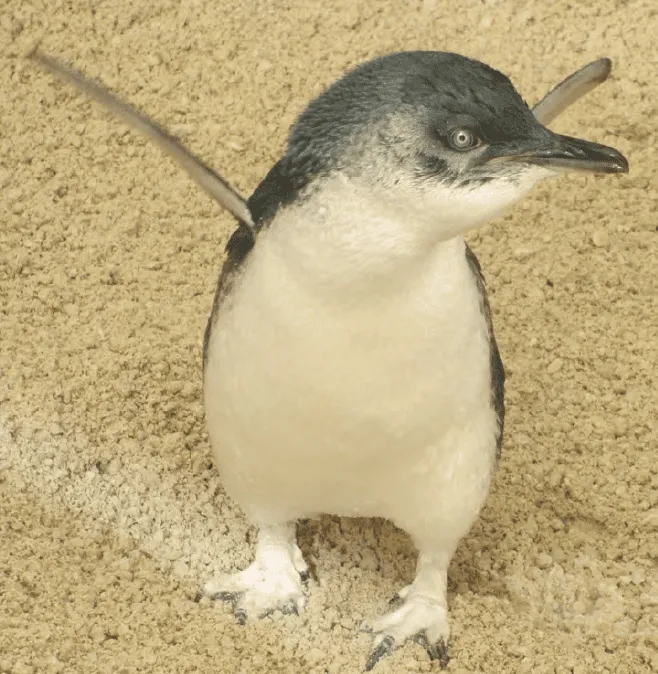
The World Sustainability Foundation provides financial support for the Penguin Rehab & Release is based in the North-West of Tasmania and dedicated to rehabilitating penguins (and other seabirds) that come into care due to illness, injury, or misadventure, with the aim of preparing them for successful release back into the wild.
The aim of our collaboration is the following:
- Sponsorship of Little Penguins in long-term care to support their rehabilitation for release back into the wild, each bird for twelve months of care;
- Sponsorship of Little Penguins in long-term care to support their rehabilitation for release back into the wild, each bird for one month of care;
- Sponsorship of Little Penguins in long-term care to support their rehabilitation for release back into the wild, each bird for one week of care;
- Replacement of the penguin swimming pool.
Call to action to save the penguins
Friend of the Sea urges Sustainable fishing companies and suppliers to seek certification. Consumers can make a difference by choosing Friend of the Sea certified products, using their buying power to support sustainability and protect penguins and marine life.
Additionally, we invite you to sign our online petition to mandate management measures on fishing vessels, preventing penguin bycatch and protecting their feeding grounds. Your support is vital in safeguarding these majestic creatures.
Thanks for the support and donation to save the penguins to: KD Pharma