
Save the corals
Your Support is important
Sign Our Petition!
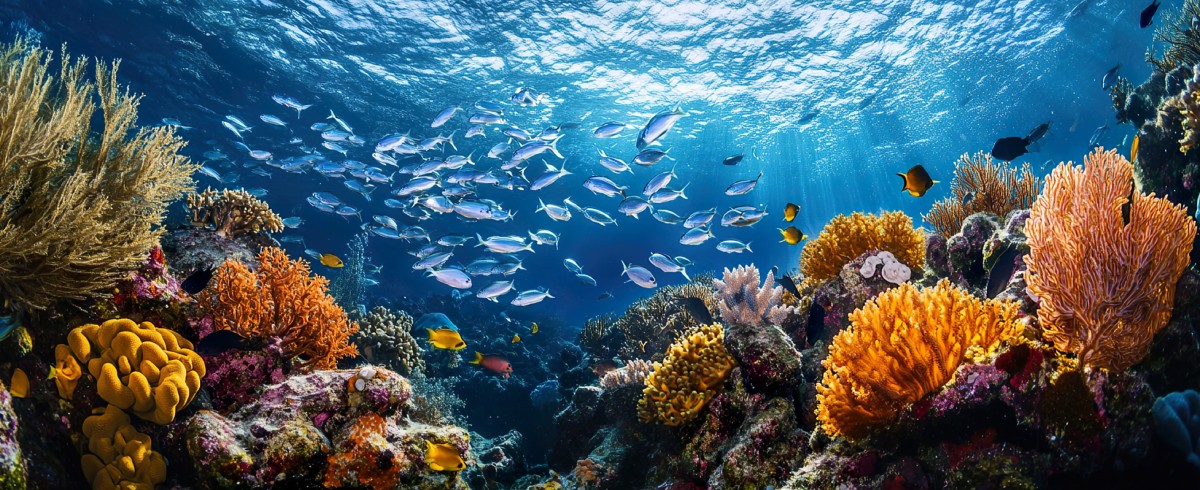
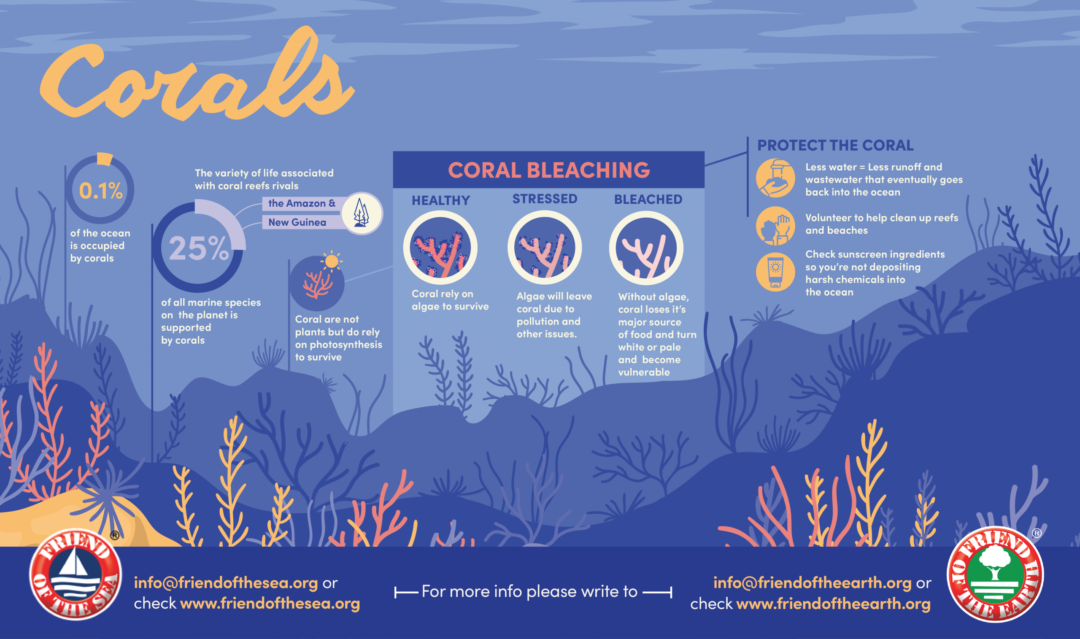
Corals are a group of identical individual polyps that live with each other in condensed colonies. They construct the reefs in tropical oceans by secreting calcium carbonate which forms a hard skeleton. An individual polyp is usually an animal resembling a sac that has a diameter and length of a few centimetres.
The problem
There are many factors which contribute to the declining trend of many of the coral species worldwide.
Aquatic resource exploitation, including fishing and harvesting for ornamental purposes, significantly harms coral habitats. Additionally, human activities such as urbanisation, industrialization, tourism, and recreational pursuits, along with the use of unsustainable UV creams, contribute to habitat degradation and hinder coral population growth.
Invasive species and problematic native species, like the lionfish expanding from the Indo-Pacific to the Atlantic Ocean, further threaten coral reefs and their ecosystems.
Lastly, coral species are increasingly susceptible to diseases due to growing environmental stressors, which compromise their health and suitability to their changing habitats in the twenty-first century.
Environmental Consequences
According to IUCN data, approximately 100,000 coral reef and reef-associated species have been described, but experts estimate there could be over 2 million species in total. Currently, there are around 600 coral species worldwide. About 20% of the world’s coral reefs have been destroyed, with another 24% at high risk of collapse and 26% at risk from long-term collapse due to human activities. If the current trend persists, 70% of coral reefs could be destroyed by 2050.
South and Southeast Asia have the highest numbers of declining coral species, followed by Oceania, East Asia, and Sub-Saharan Africa. West and Central Asia and North America are also significantly affected.
Of the species with conservation status, 33% are at elevated risk of extinction, primarily due to coral bleaching and diseases caused by rising sea surface temperatures, compounded by local human disturbances. The proportion of corals facing extinction has increased dramatically in recent decades, surpassing that of most terrestrial groups.
The Caribbean has the largest proportion of corals at high extinction risk, while the Coral Triangle in the western Pacific has the highest proportion of species in all categories of elevated extinction risk.
To save threatened coral species, several actions can be taken:
- Ensure site, resource, and habitat protection through the implementation of marine protected areas. Management and conservation measures can encourage sustainable fishing and eco-friendly marine tourism.
- Prioritise site management and coral restoration efforts, including reducing sediment flux and implementing coral farming or gardening. Organizations like the Coral Restoration Foundation in the USA have successfully returned thousands of corals to reefs, leading to significant restoration efforts.
- Enforce international treaties like CITES to control the movement of wild coral species and prevent their endangerment due to international trade pressures.
- Raise awareness through formal education, training, campaigns, and the establishment of new local and national laws to protect threatened species.
Activities and Initiatives of the World Sustainability Foundation
The World Sustainability Foundation’s Friend of the Sea project provides financial support to Love Wildlife Foundation, Thailand (parent organization to the Aow Thai Marine Ecology Center (ATMEC)), a foundation under the laws of the Kingdom of Thailand and based in Thailand. ATMEC is a marine science-focused initiative, aimed at providing education in marine biology and ecology to students of all ages. ATMEC also prioritises conducting original research, conservation projects, and coral restoration activities, in the Gulf of Thailand.
- Purchase of raw materials for construction of artificial reefs
- Purchase of prefabricated materials for the construction of artificial reefs
- Deployment of a minimum of 3.000 kg of artificial substrate for restoration
- In-situ attachment of corals and maintenance of structures