
School Awareness
Raising Awareness in Schools
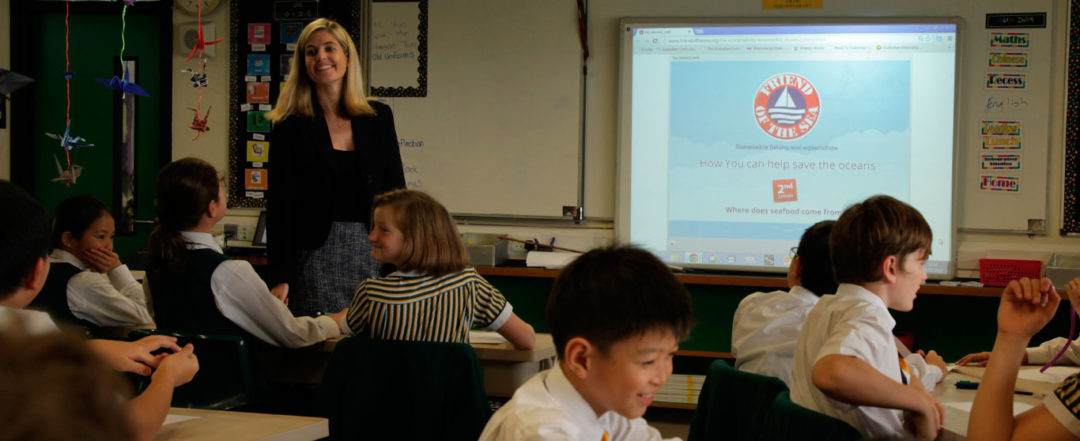
Since 2015, Friend of the Sea has organised awareness activities in schools around the world.
Thousands of students have been introduced to fishing and aquaculture through the key topics of biodiversity, overfishing, sustainable fishing methods and aquaculture techniques, not forgetting the responsibility of consumers.
Lessons include interactive videos, multiple choice quizzes and role-playing games. At the end of the day, information and promotional items are distributed to the students so that they can spread the message to friends and families.
Also, within each of our conservation initiatives, we endeavour to dedicate a segment to raising awareness in schools.
Prokects supported by the World Sustainability Foundation
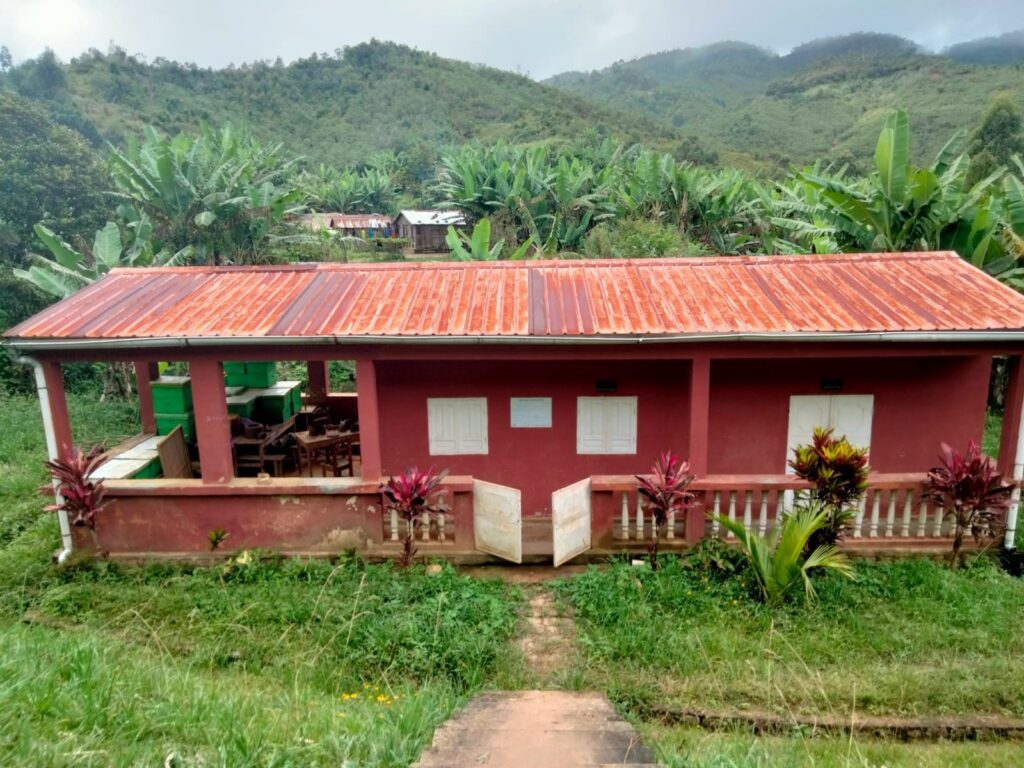
Anevoka, a secluded village nestled on the slopes of the New Protected Area of Maromizaha (NAP 2015), serves as the birthplace of various programmes focused on forest and biodiversity conservation, as well as Sustainable educational development.
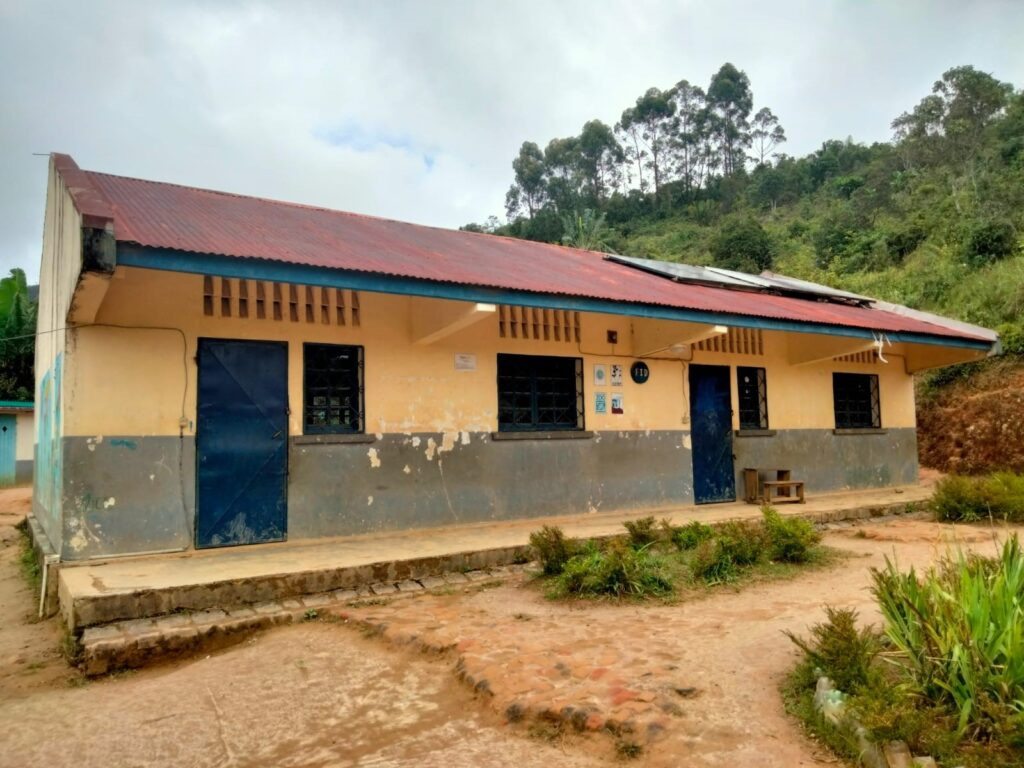
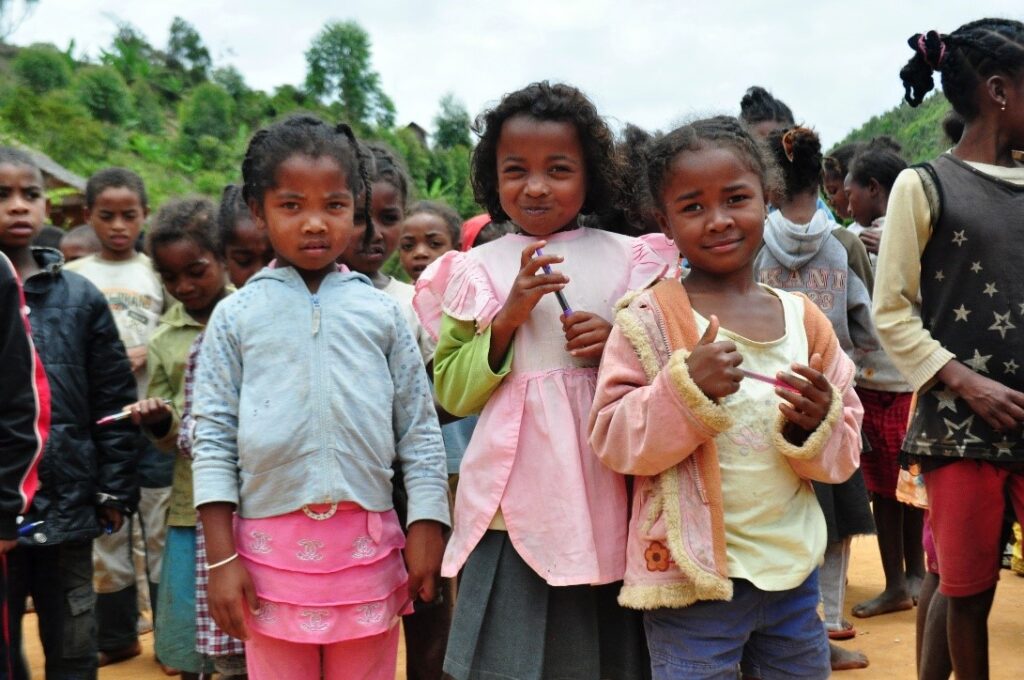
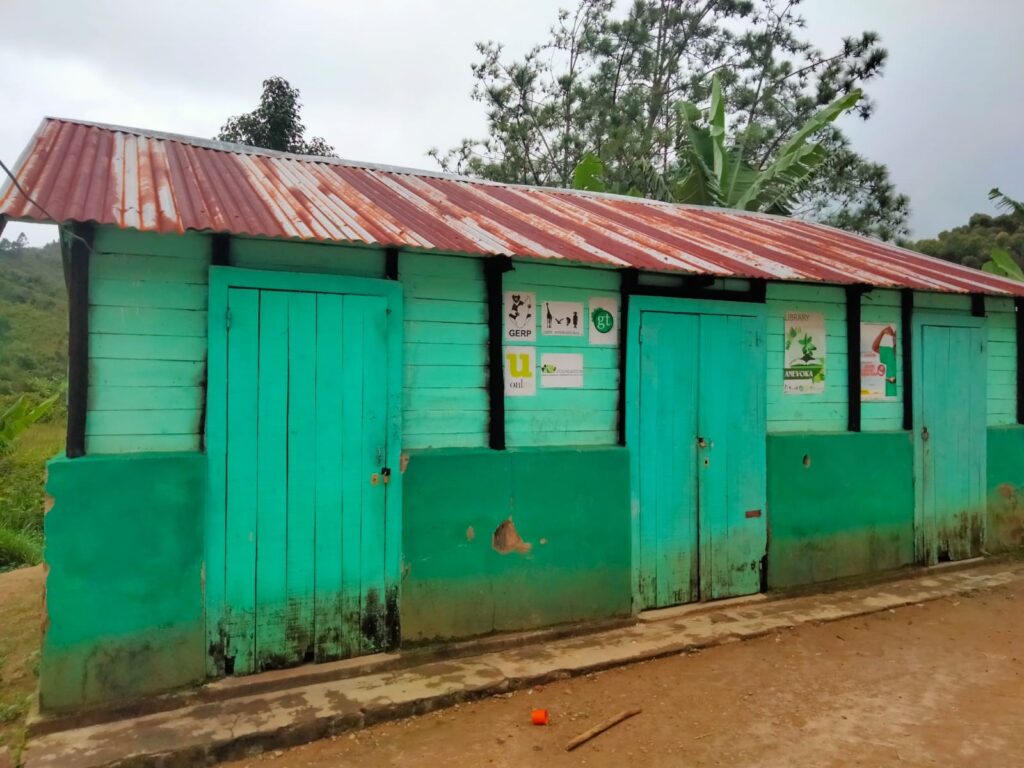
One such initiative is the MADAction project by U ONLUS (https://www.uonlus.it/), in collaboration with the Department of Life Sciences and System Biology of the University of Turin, which supports the Anevoka public primary school along with two smaller institutes: Ambavaniasy and Ampangalatsary. These schools aim to elevate the educational standards for the local children, with approximately 250 students enrolled in the primary facility and an additional capacity for a hundred more across the two annexes.
The primary objective is to instil in the children a sense of respect for their environment, promoting forest conservation and recycling practices to cultivate awareness as they transition into adulthood. This programme is a vital component of the Sustainable development project, emphasising biodiversity preservation and empowering communities to take charge of their lives while actively participating in local biodiversity conservation efforts.
Furthermore, to accommodate the growing student population, two additional classrooms were constructed—one larger and elongated, the other smaller. Additionally, an environmental library was established in 2017, containing 150 books to aid the six teachers in addressing environmental topics.
Private bathrooms are provided for the teachers, separate from those for the students, and a vegetable garden featuring legumes and fruit trees was established to foster a love for the environment and teach basic agricultural techniques.
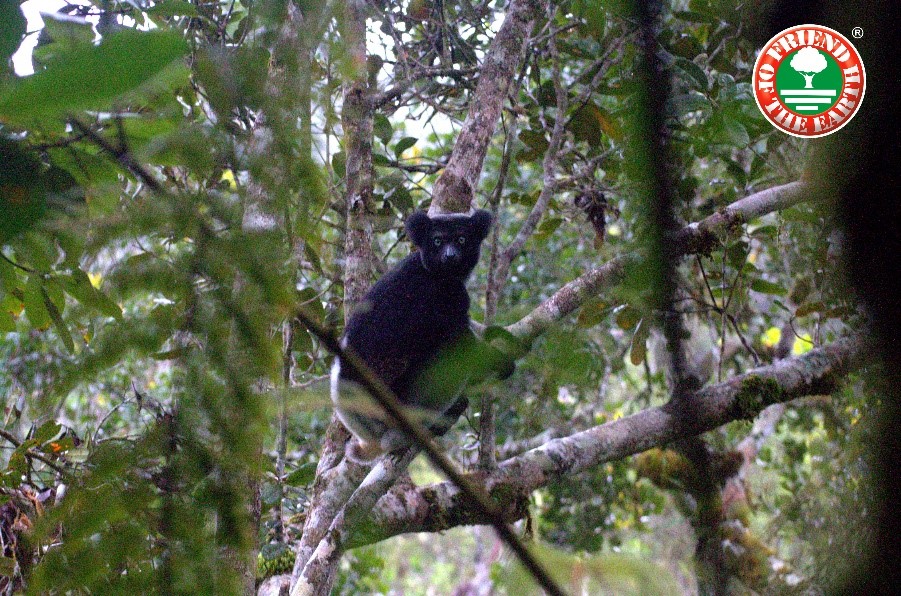
Moreover, a honey farm with hives of domesticated bees collecting pollen from wild forest flowers was established. Each year, guided by both teachers and local guides from Maromizaha, groups of students explore the forest, learning about the area’s lemurs (such as indri, diademed sifaka, bamboo lemur, black-white lemur, microcebes, etc.) and participating in reforestation efforts through dedicated plant nurseries for native species.
In addition to environmental education, a waste collection point near the school teaches children recycling skills, encouraging them to create various crafts from bottle caps and other recyclable materials.
Unfortunately, the Covid-19 pandemic has resulted in the absence of at least a quarter of the students due to parents’ inability to pay school fees amid precarious living conditions, including hunger and reduced economic activity. However, efforts by GERP (Groupe d’Etude et de Recherche sur les Primates) and UNITO (University of Turin) have secured funds to cover the fees for all children annually, thereby ensuring their continued education.
SAVE THE BATS
In 2022, we partnered with Bat World Sanctuary, a leading organization dedicated to ending bat mistreatment. They rescue hundreds of bats annually, providing lifetime sanctuary for non-releasable bats, including those orphaned, injured, or rescued from the exotic pet trade, zoos, and research facilities.
Our collaboration involves distributing “Bat Packs” through libraries in the United States. These packs contain various artefacts, activities, and literature aimed at educators teaching students aged 5 to 10 about the importance of bats. Additionally, we plan to create a downloadable virtual version of the Bat Pack, including online educational materials accessible to educators worldwide. The project aims to educate the next generation about bat conservation, dispelling myths and fostering a love for bats from an early age.