

Save the turtles
Your Support is important
Sign Our Petition!
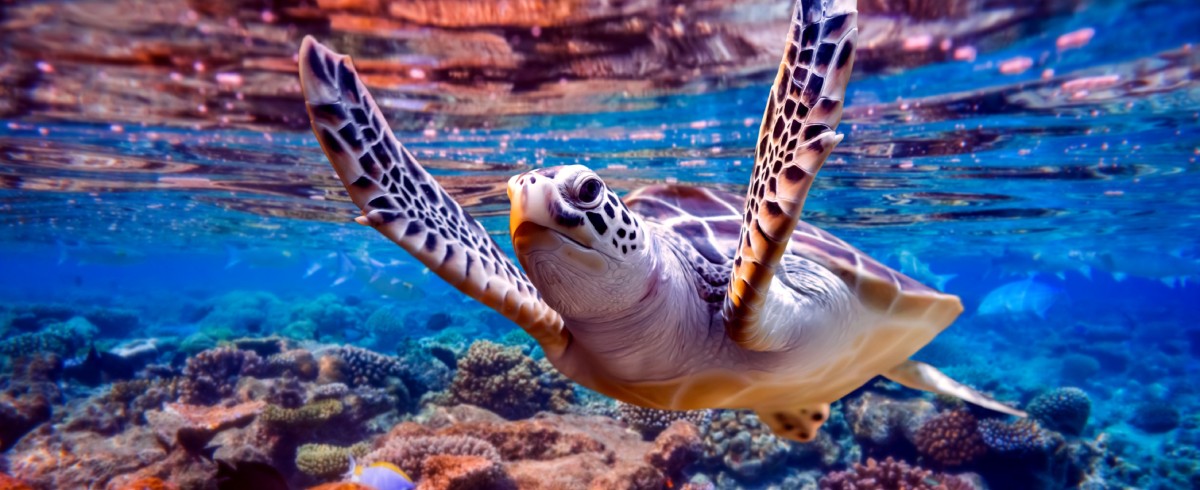
Turtles are a group of reptiles with a cartilaginous shell originating from their ribs, which shelters them from predators. Based on the temperature in the surrounding atmosphere, the temperature in their body fluctuates and therefore they are called ectotherms or cold-blooded. They are one of the most ancient groups of reptiles and like many other amniotes, they lay their eggs in the land even though some species are inhabitants of aquatic bodies.
The problem
Numerous factors contribute to the concerning decline of turtle populations worldwide, exacerbating the current downward trend.
Primary causes include natural resource exploitation like hunting, trapping, and fishing, as well as human activities related to agriculture, aquaculture, and urbanisation. Man-made pollution from domestic, industrial, and agricultural waste mismanagement also plays a significant role.
Additionally, invasive species, problematic native species, and pathogenic diseases like fibropapillomatosis further threaten certain turtle species.
Enviromental consequences
The latest IUCN data shows that there are 258 species of turtles around the globe. Among all the species, 75 are currently in decline.
The United States currently houses the highest numbers of threatened species which is 20 and it is only two more than that of Mexico. Other major countries of concern in this regard are South Africa (11), Indonesia (11), India (11), Madagascar (10), Bangladesh (10), Vietnam (10), Thailand (10) Cameroon (9), Myanmar (9) and Malaysia (9).
It is quite alarming that 19.4% and 17.4% of all the turtle species are enlisted as critically endangered and endangered respectively while 26% are vulnerable. The scenario is even direr as 3.1% of them are already extinct and 0.4% are extinct from the wild. China and Vietnam are at the top of the list of countries with critically endangered species amounting to ten and nine respectively. Besides, countries like Indonesia, Thailand, Myanmar, and Ecuador are home to seven of these species. Among the already extinct species, four were from Mauritius.
Possible Solutions to save the penguins
To conserve endangered and critically endangered turtle species, several measures can be implemented:
- Establish land and water protection areas like national parks and marine sanctuaries, especially in countries lacking such initiatives.
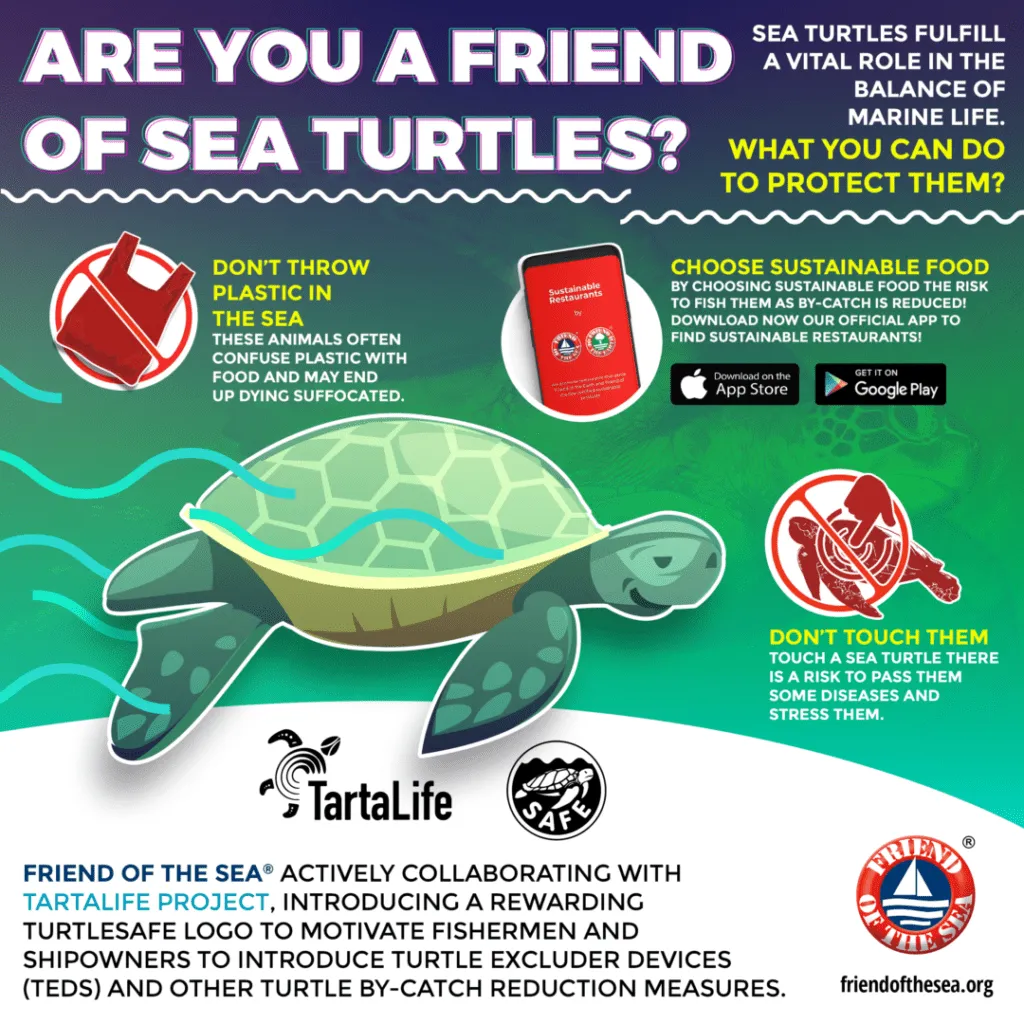
- Mandate the use of Turtle/Trawler Excluder Devices on trawler nets to reduce turtle bycatch and protect other species.
- Invest in scientific research to address pathogenic diseases affecting turtles and promote ex situ conservation methods such as captive breeding and genome banking.
- Enforce regulations under the Convention on International Trade in Endangered Species (CITES) to restrict the trading of wild turtle species.
- Raise awareness through education and collaboration with government and non-government organizations.
- Utilise technology like the TurtleSAT app for monitoring turtle populations and the FeralScan app for reporting invasive species.
Activities and initiatives of the World Sustainability Foundation
The World Sustainability Foundation’s Friend of the Sea project provides financial support to the Mental and Environmental Development Initiative for Children (M.E.D.I.C.), a non‐governmental and pro-human organization based in Nigeria that aims at a total positive transformation and development of the child. M.E.D.I.C. has also a project called Sea Turtle Sanctuary, which focuses on the conservation of local sea turtles.
The aim of our collaboration is the following:
- Production of 50 Tee Shirts for advocacy
- Creation of 100 Information Communications and Educational Booklets
- Printing of a Story wall that shows all rescued turtles
- Arts and Crafts materials at the Kids Beach Garden
Call to action to save the penguins
Choose only Friend of the Sea and Friend of the Earth certified products from Sustainable fisheries, aquaculture and agriculture.
Sign the Friend of the Sea Change.org is this functioning? petition advocating for the mandatory implementation of Turtle Excluder Devices (TEDs) in all countries.
Support and elect politicians at both local and national levels who prioritise environmental Sustainability and are committed to protecting threatened turtle species by introducing relevant legislation.
Advocate for the establishment of captive breeding programmes, national conservation parks, and genome resource banks in countries where turtle conservation is a major concern. For example, the Mon Repos Conservation Park in Queensland, Australia serves as a protected area for marine turtles and plays a crucial role in breeding endangered species such as loggerhead, flatback, and green turtles.
Allocate funds for research and development aimed at supporting conservation biologists, evolutionists, and pathologists who focus on turtle conservation efforts.
How you can help save the Turtles
- Support turtle conservation efforts by choosing products certified by Friend of the Sea and Friend of the Earth, ensuring they come from Sustainable fisheries, aquaculture, and agriculture;
- Take action by signing the Friend of the Sea Change.org petition urging for the mandatory implementation of Turtle Excluder Devices (TEDs) in all countries;
- Advocate for environmental Sustainability by electing politicians at local and national levels who prioritise the protection of threatened turtle species and are committed to introducing relevant legislation;
- Promote the development of captive breeding programs, national conservation parks, and genome resource banks in countries where turtle conservation is a major concern. For example, the Mon Repos Conservation Park in Queensland, Australia serves as a protected area for marine turtles and contributes positively to the breeding of endangered species such as loggerhead, flatback, and green turtles;
- Support research and development efforts for conservation biologists, evolutionists, and pathologists focusing on turtle conservation.