
Sustainable shipping and cruise lines
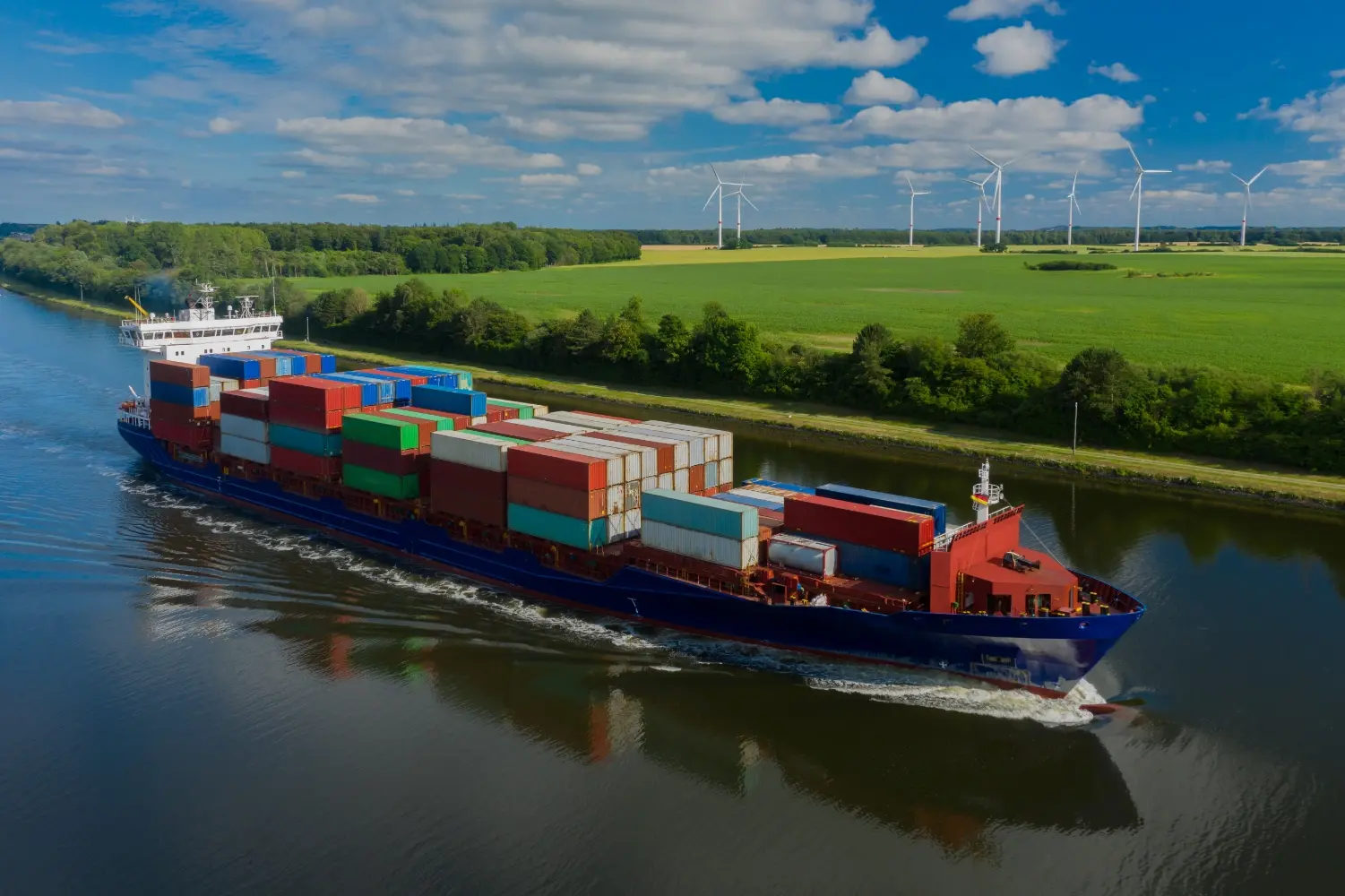
Maritime transportation facilitates 90% of global trade, with over 11,000 million tons of goods transported annually by more than 90,000 ships. Despite existing regulations, the industry’s environmental impact remains significant. It accounts for 33% of total trade-related emissions and 3.3% of global carbon emissions. Additionally, it contributes to water, noise, and oil pollution. However, the impact can be mitigated through the use of cleaner fuels, efficient engines, and improved overall efficiency.
Sustainable Cruise Lines
Cruising is becoming an increasingly popular holiday choice worldwide, with a growing passenger capacity rate of around 10% a year. Although overall global cruise ships count for less than 1% of the global maritime community, and they are implementing responsible tourism practices and environmental technologies, industry performance could still be greatly improved.
It is estimated that each day a large cruise ship generates as much as:
- 30,000 gallons of sewage,
- 255,000 gallons of dirty water from shower, sinks, laundries, and dishwashers, as well as hazardous chemicals from photo processing, dry cleaning and industrial cleaning products.
- 7,000 gallons of oily bilge water;
- smokestack and exhaust emissions equivalent to 12,000 cars
It has been reported that each passenger’s carbon footprint at sea is 3 times higher than on land!
Why Sustainable Shipping and Cruise Lines?
Maritime industries are responding to calls from marine conservationists to adopt more environmentally friendly practices. New guidelines and standards are emerging to outline steps for reducing the carbon footprint of goods and people transported by sea. Significant progress has been made in researching and developing greener technologies for maritime shipping, yet it’s challenging to determine the cleanest or most eco-friendly operators due to their varying practices.
As a response, Friend of the Sea has introduced a new certification standard aimed at enhancing traceability, raising awareness, and promoting Sustainable practices within the maritime industry.
The Standard for Sustainable Shipping and Cruise lines
Friend of the Sea criteria for sustainable shipping require:
- Pollution prevention by regulating fuel efficiency.
- Use of antifouling and waste control;
- Social accountability;
- Legal compliance.
Friend of the Sea provides customers with a list of cruise line operators and shipping lines who really engage in environmental protection. A third-party certification will guarantee a more conscious choice.
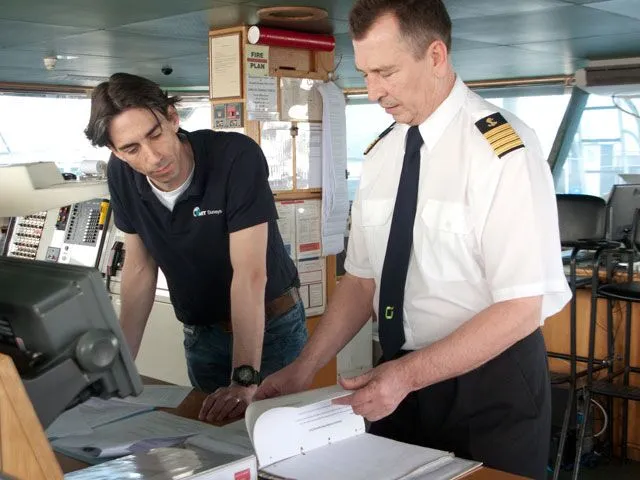
Apply for Shipping and Cruise Lines Environmental Sustainability
Would you like to receive a quotation for Friend of the Sea audit and royalties to use our logo?
Please fill out the online Preliminary Information Form (PIF) and send back to quality@friendofthesea.org
- All the information will be kept strictly confidential and implies NO commitment from your company.
- The Friend of the Sea certification is voluntary and NOT mandatory to gain access to markets.
- The application process is NOT discriminatory on size, scale, management, minimum number of operators and number of vessels involved. Nonetheless, enhanced fisheries and enhancement activities, regarding wild catches, cannot apply for certification.
- Friend of the Sea is a NGO and it strives to make participation in the audits affordable for all companies.
- Please, contact us for more information on Government funding which might be available in your Country for sustainability certifications: info@friendofthesea.org
- Find here out pricelist